
The Psychological Costs of Gambling
Frequent trips to casinos can have significant psychological repercussions that extend beyond the immediate thrill of gambling, especially when considering options like the best no kyc casinos that offer unique experiences. While the excitement of winning can provide a temporary boost in mood, the stress and anxiety associated with potential losses often overshadow this joy. Gamblers may experience a rollercoaster of emotions, fostering a sense of obsession that can lead to unhealthy coping mechanisms. This constant emotional fluctuation can negatively impact mental well-being, leading to increased stress and even depression over time, as the highs of winning are often followed by the lows of significant losses.
The social consequences of frequent gambling should not be overlooked either. Relationships with family and friends can suffer as individuals prioritize casino trips over personal connections. The need for secrecy about gambling habits can create a sense of isolation; individuals often feel they cannot share their struggles with others. Over time, this secrecy fosters feelings of guilt and shame, ultimately leading to more serious psychological issues as the gambler feels trapped in a cycle of behavior that is difficult to escape. This isolation can also prevent them from seeking help or discussing their concerns with trusted individuals.
Additionally, the pressure of gambling may induce a state of denial regarding one’s actual spending. Gamblers often rationalize their expenditures, believing they will win back their losses, which leads to a dangerous cycle of chasing those losses. This denial exacerbates feelings of inadequacy and hopelessness when the anticipated wins fail to materialize. Understanding these psychological costs is crucial for anyone considering frequent casino visits, as these hidden consequences may overshadow any momentary excitement experienced on the casino floor, ultimately affecting their overall quality of life.
The Financial Impact Beyond Betting
While many people focus on the money spent directly at the gaming tables, the financial impact of frequent casino visits actually goes far beyond mere betting losses. One often overlooked cost is transportation. Whether it’s fuel, parking fees, or public transport costs, these expenses can accumulate over time, significantly adding to the overall cost of each trip. Savvy gamblers often fail to factor in these logistics, leading to an inflated perception of their gambling success, as they may only see the losses incurred at the tables without considering the total investment of their outings.
Moreover, many casinos employ a range of tactics to entice players to spend more. Promotions, complimentary offers, and meals may initially seem like advantages, but they often come at a hidden cost. Players may feel compelled to gamble more to take full advantage of these deals, leading to greater overall expenditures. It’s essential to recognize that while these perks may enhance the experience temporarily, they can also lead to significant financial losses when incorporated into a gambling strategy. The allure of “free” amenities can sometimes trap players into spending more than they initially intended.

Another financial consideration is the potential for lost earnings. Frequent trips to casinos often mean time away from work or other productive activities. For those in jobs that pay hourly, a night at the casino can equate to lost wages, not to mention potential overtime opportunities that could have been utilized. When people factor the money spent on gambling alongside lost income, the financial burden can become overwhelming, making it clear that the costs of frequent casino trips are much higher than they first appear. This financial strain can affect their ability to meet essential expenses and save for future needs.
The Opportunity Costs of Time Spent
The opportunities lost while spending time at casinos can be considerable. Each hour spent gambling is an hour not devoted to personal development, hobbies, or relationships. Individuals may miss out on important life events, such as family gatherings or social connections, because they choose to prioritize their time at the casino. This can lead to feelings of regret and isolation as individuals become estranged from their social circles, ultimately diminishing their overall happiness and life satisfaction.
Additionally, the time spent gambling could be redirected towards more financially advantageous pursuits. For example, investing in education or acquiring new skills can yield long-term financial benefits that far outweigh the temporary thrills of gambling. By neglecting these opportunities in favor of frequent casino visits, individuals may find themselves not only financially strapped but also lacking in personal growth and fulfillment. This can create a downward spiral, where the time wasted at casinos compounds their feelings of dissatisfaction with life.
Understanding the importance of time management is vital in this context. Conscious decisions regarding how to spend one’s time can greatly affect overall quality of life. Those who realize that their time could be better spent outside of casinos may find more personal satisfaction and financial security in the long run. By valuing time as a limited resource, individuals can create a more balanced lifestyle that prioritizes well-being over fleeting amusement, ultimately leading to a more fulfilling existence.
The Impact on Personal Relationships
Frequent casino visits often strain personal relationships, leading to conflict and emotional distance. For partners and family members, seeing a loved one prioritize gambling over spending quality time with them can be disheartening and hurtful. The lack of emotional availability can create a rift, fostering feelings of neglect and resentment. This emotional burden can ripple through familial structures, affecting not only romantic partnerships but also relationships with children and friends, as the gambler becomes increasingly preoccupied with their gambling habits.
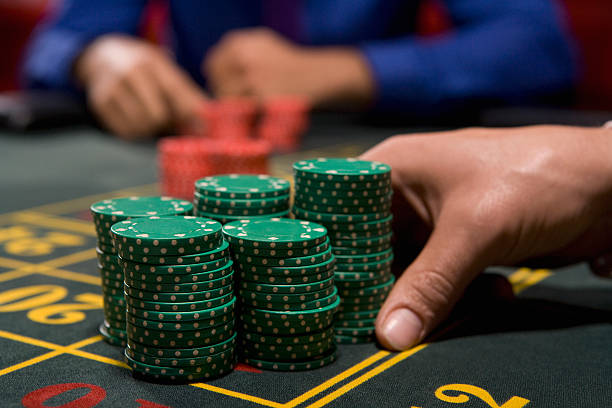
The financial strain that can accompany frequent gambling can exacerbate these tensions. Family members may become understandably concerned about the impact of gambling on household finances, leading to disagreements and mistrust. Transparency about spending habits becomes critical, but it can also be difficult for gamblers to openly discuss their losses and motivations. As trust erodes, relationships can become increasingly fragile, resulting in potential breakups or lasting emotional scars that can take years to heal. The strain can lead to a toxic environment where love and support become overshadowed by worry and conflict.
Finally, the potential for addiction cannot be understated. The thrill of gambling can lead some individuals to develop compulsive behaviors, isolating themselves from their loved ones. When gambling becomes a central focus of their lives, personal relationships can fall by the wayside. Recognizing the effects gambling has on one’s interpersonal dynamics is essential for those who wish to maintain healthy relationships while navigating the complexities of casino life. Seeking help and establishing boundaries can be crucial steps towards re-establishing connections that have been strained by gambling habits.
Conclusion and Resources for Responsible Gambling
As the complexities of frequent casino trips become clearer, it’s crucial for individuals to educate themselves about the potential hidden costs associated with such activities. Recognizing the psychological, financial, and social implications can empower individuals to make informed decisions about their gambling habits. By being aware of these hidden costs, gamblers can reassess their relationship with casinos and prioritize healthier choices that promote their overall well-being and life satisfaction.
For those who believe they may be struggling with gambling addiction, there are plentiful resources available to help regain control. Organizations that specialize in gambling addiction can provide support and guidance, ensuring individuals feel less isolated in their struggles. Sharing experiences with others facing similar challenges can be a healing process, enabling them to take positive steps toward recovery and personal growth.
Lastly, promoting responsible gambling practices is vital in creating a healthier environment for all participants. Understanding one’s limits, setting time and spending boundaries, and seeking help when needed can significantly mitigate the risks involved with frequent casino visits. By prioritizing well-being over gambling excitement, individuals can reclaim control of their lives and relationships while enjoying more fulfilling and balanced experiences, paving the way for a brighter future.